Extracting a plant’s scent
Distinguish the main types of process.
What you will learn
- Distinguish the main types of process.
- Understand why different plants do not all yield the same kind of extract.
- Read the name of an extract without confusing it with the whole plant.
Distillation and expression
Steam distillation suits many aromatic plants, woods and roots. Expression mechanically presses citrus peel to collect its aromatic essence.
Solvents and CO₂
Solvent extraction can process delicate flowers and lead to absolutes. Supercritical CO₂ extraction can retain other nuances under suitable, relatively low-temperature conditions.
Safety and traceability
Natural origin does not mean harmlessness. A material must be identified, documented and assessed for its intended use, with attention to dose and applicable requirements.
Start with the harvested part
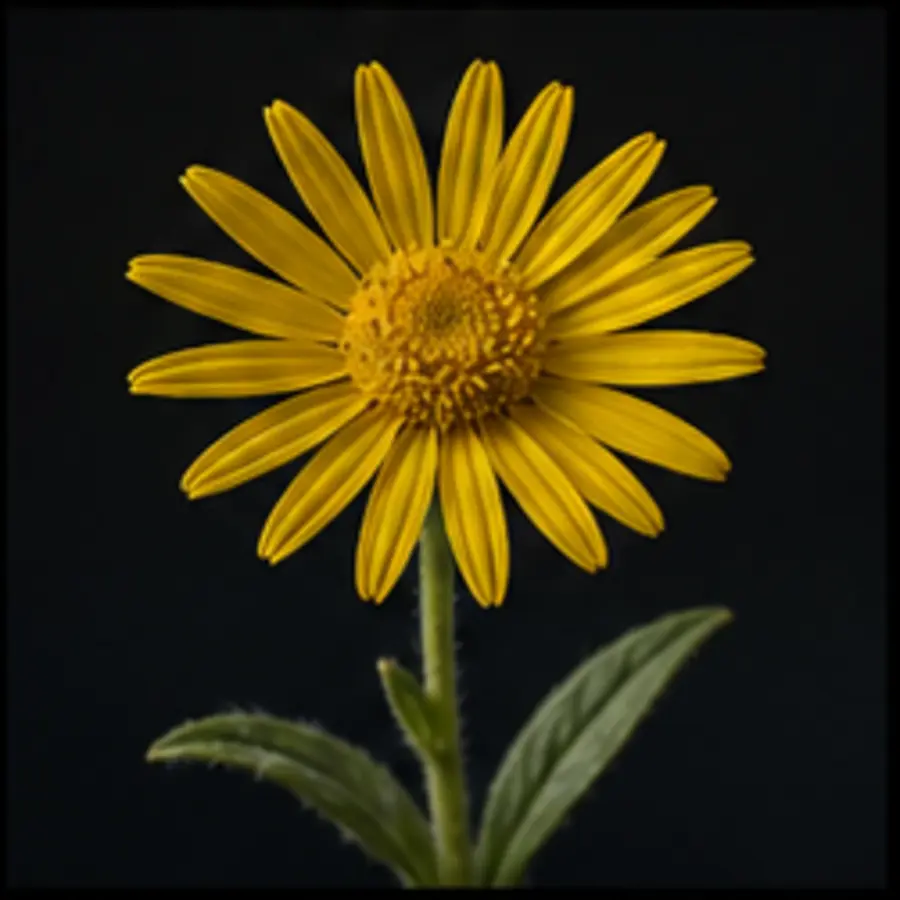
Flowers, leaves, fruit peels, woods and roots are not interchangeable. The botanical name identifies the plant; the part used and the process help explain the material obtained. “Rose extract” is therefore less precise than a documented designation.
The process changes the portrait
Processing selects some of the odorous constituents. The resulting material may smell different from the living plant. Two extracts of the same plant can therefore serve different intentions without one automatically being superior.
When a flower becomes an accord
Some floral smells are mainly evoked through composition. The perfumer brings materials together to create a recognisable impression. An accurate description distinguishes this interpretation from an extract obtained directly from the plant.
Explain the craft without giving a recipe
For a visitor, explain what the process contributes to perception. There is no need to give temperatures or suggest extraction at home. The lesson helps you understand materials; it does not replace a professional procedure.
Useful words
Describing a sensation is not analysing a formula. Write “this reminds me of…” when offering a comparison.
Facet
One aspect of a smell: a single material may suggest lemon, green leaves and wood.
Accord
A blend of materials that creates an overall impression. It can evoke a plant without containing its extract.
Extract
A material obtained from a source through a specific process. The plant name alone is not enough: the part and method matter.
Distillation
Steam carries volatile constituents. After cooling, the watery distillate is separated from the essential oil when present.
Absolute
A fragrant extract obtained through extraction and purification, usually with solvents. It is not an essential oil.
Resin
A plant secretion distinct from needles and wood. Its extract and an essential oil distilled from foliage are not interchangeable.
Try it yourself
How to study this lesson
- Identify the words essence, essential oil and absolute.
- Compare two profiles with an identified method.
- Present the differences while staying faithful to the available information.
Open two documented material profiles: a citrus fruit and a flower. Separately record the plant part, the process actually stated and the name of the extract. If information is not given, leave it blank. Explain in two sentences why you cannot automatically assign the same method to both plants.
Reveal the guidance
- Does a floral smell prove that an absolute was used? No.
- Can I state which part of the plant is involved?
- Have I described an actual process, or merely a technical possibility?
Remember
An essential oil or absolute is not the whole plant: it is the precise result of a process.