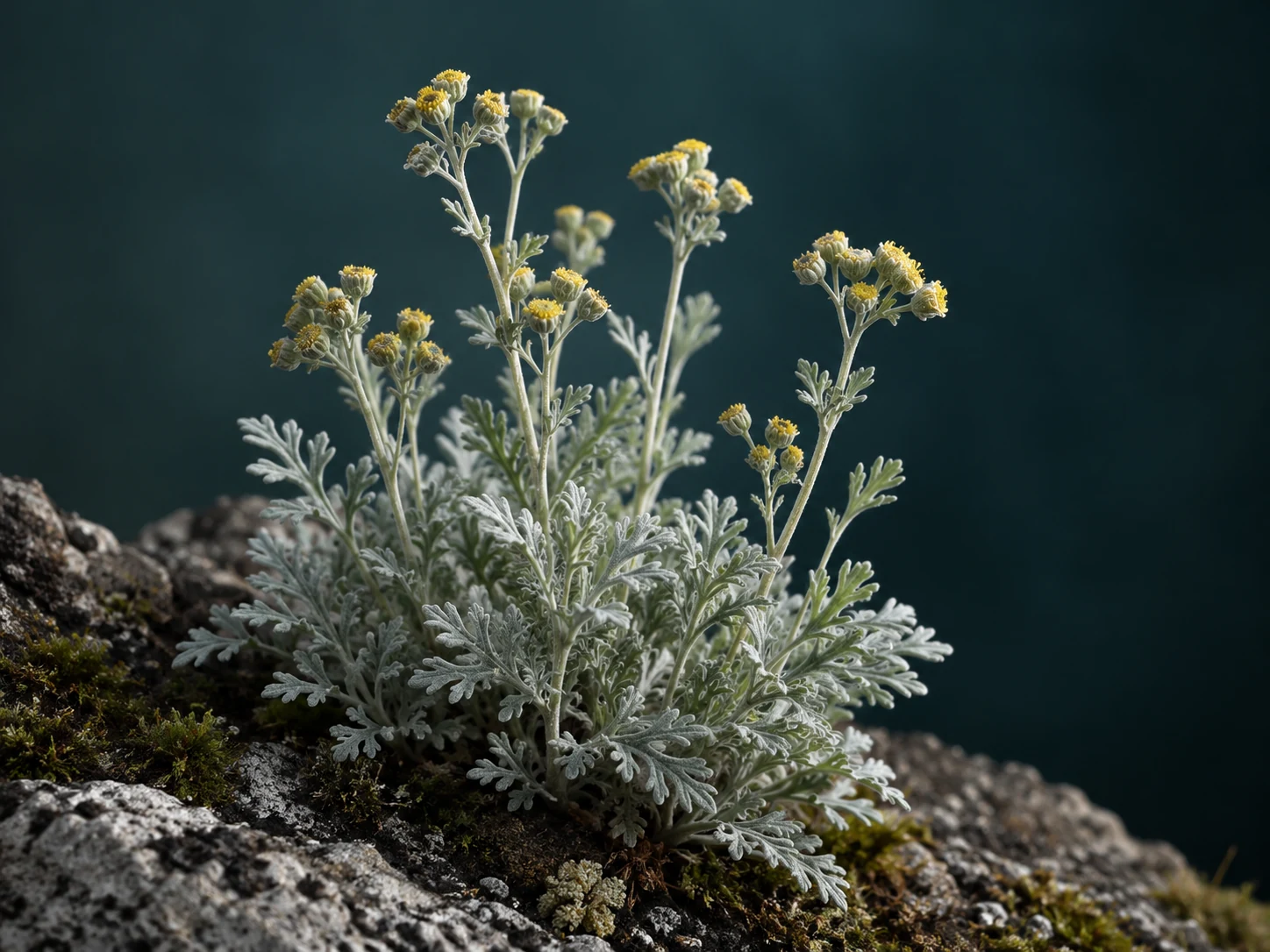
The main olfactory families
Use five common families with a simple example.
What you will learn
- Use five common families with a simple example.
- Distinguish a leading character from a secondary facet.
- Turn a vague preference into a useful question.
Regions, not borders
A mainly woody fragrance may also have aromatic, mineral or ambery facets. Classification varies across houses and periods; families are guides, not rigid boxes.
Name the impression
Citrus suggests peel; floral suggests flowers; woody may suggest cedar, vetiver or sandalwood. Aromatic evokes herbs, while ambery suggests warm balsamic, vanilla and resinous impressions.
From categories to memory
Link each family to real materials and simple comparisons. These references help turn a classification into a memory you can use when describing fragrance.
Some concrete reference points
Citrus: think of citrus zest. Aromatic: scented herbs. Floral: a flower or bouquet. Woody: dry, creamy or smoky wood, depending on the case. Amber: a balsamic, often soft warmth. These examples are reference points, not a compulsory ingredient list.
Related words, different meanings
Fresh, powdery, gourmand, mineral or leathery can describe facets. Depending on the classification, some become families in their own right. What matters is stating clearly what the word helps you compare, without presenting one classification as universal.
Do not assign a family to a type of person
A flower, wood or spice does not determine the age or gender of the person who will enjoy the fragrance. Ask about their preferred sensations, their situation and the presence they want. A trial says more than a label.
A question that moves discovery forward
Instead of “do you like sophisticated fragrances?”, ask “do you prefer the freshness of zest or herbs?”. Offer two directions to smell. A short comparison helps you build the vocabulary together.
Useful words
Describing a sensation is not analysing a formula. Write “this reminds me of…” when offering a comparison.
Facet
One aspect of a smell: a single material may suggest lemon, green leaves and wood.
Accord
A blend of materials that creates an overall impression. It can evoke a plant without containing its extract.
Extract
A material obtained from a source through a specific process. The plant name alone is not enough: the part and method matter.
Distillation
Steam carries volatile constituents. After cooling, the watery distillate is separated from the essential oil when present.
Absolute
A fragrant extract obtained through extraction and purification, usually with solvents. It is not an essential oil.
Resin
A plant secretion distinct from needles and wood. Its extract and an essential oil distilled from foliage are not interchangeable.
Try it yourself
How to study this lesson
- Connect each family to a familiar reference.
- Classify three descriptions while accepting overlaps.
- Explain a preference with two words and an example.
Choose three familiar fragrances. For each, suggest a leading character and a secondary facet, then an accessible image: “woody, with the freshness of zest”. Compare the three descriptions without reading their promotional text. Then return to the official profiles to identify what matches and what differs.
Reveal the guidance
- Can a creation be both floral and woody? Yes.
- Am I using “fresh” as a sensation rather than a recipe?
- Does my description help someone choose what to smell next?
Remember
A family describes a perfume’s dominant character; its facets reveal its full complexity.