Top, heart and base notes
Follow a fragrance’s evolution instead of judging only its opening.
What you will learn
- Follow a fragrance’s evolution instead of judging only its opening.
- Distinguish a perceived note from a confirmed ingredient.
- Present top, heart and base as overlapping reference points.
Top notes introduce the fragrance
Top notes are perceived quickly. Citrus, fresh aromatic impressions and light facets create the first impulse. They attract attention but do not describe the entire fragrance.
Heart notes express its character
The heart becomes clearer as the opening settles. Floral, spicy, fruity or other structured accords often carry the main theme of the fragrance.
Base notes leave a lasting impression
Woods, balsams, resins and musks can prolong a creation. They add depth and contribute to a lasting impression, depending on the formula and the surface it is applied to.
The stages overlap
The top does not switch off at the exact moment the heart begins. All the materials belong to one composition and are perceived at different intensities. The pyramid simplifies this movement; it is neither a timer nor the exact recipe.
On a blotter, then in real conditions
A blotter makes comparison easier. Skin introduces a different surface and different conditions. If the fragrance is intended for skin, a trial that follows its directions for use complements the first discovery. Allow each trial to evolve without rubbing the areas together.
An example of observation
A creation may open with an impression of zest, reveal a floral softness, then retain a discreet wood. The wood may have been there from the start: it simply becomes easier to perceive as the brightest effect fades.
How to introduce it to someone
Invite a discovery in two stages: “Here is the first impression. Let it evolve while we talk, then let’s smell it again.” This approach also suits someone who finds the first few seconds too intense.
Useful words
Describing a sensation is not analysing a formula. Write “this reminds me of…” when offering a comparison.
Facet
One aspect of a smell: a single material may suggest lemon, green leaves and wood.
Accord
A blend of materials that creates an overall impression. It can evoke a plant without containing its extract.
Extract
A material obtained from a source through a specific process. The plant name alone is not enough: the part and method matter.
Distillation
Steam carries volatile constituents. After cooling, the watery distillate is separated from the essential oil when present.
Absolute
A fragrant extract obtained through extraction and purification, usually with solvents. It is not an essential oil.
Resin
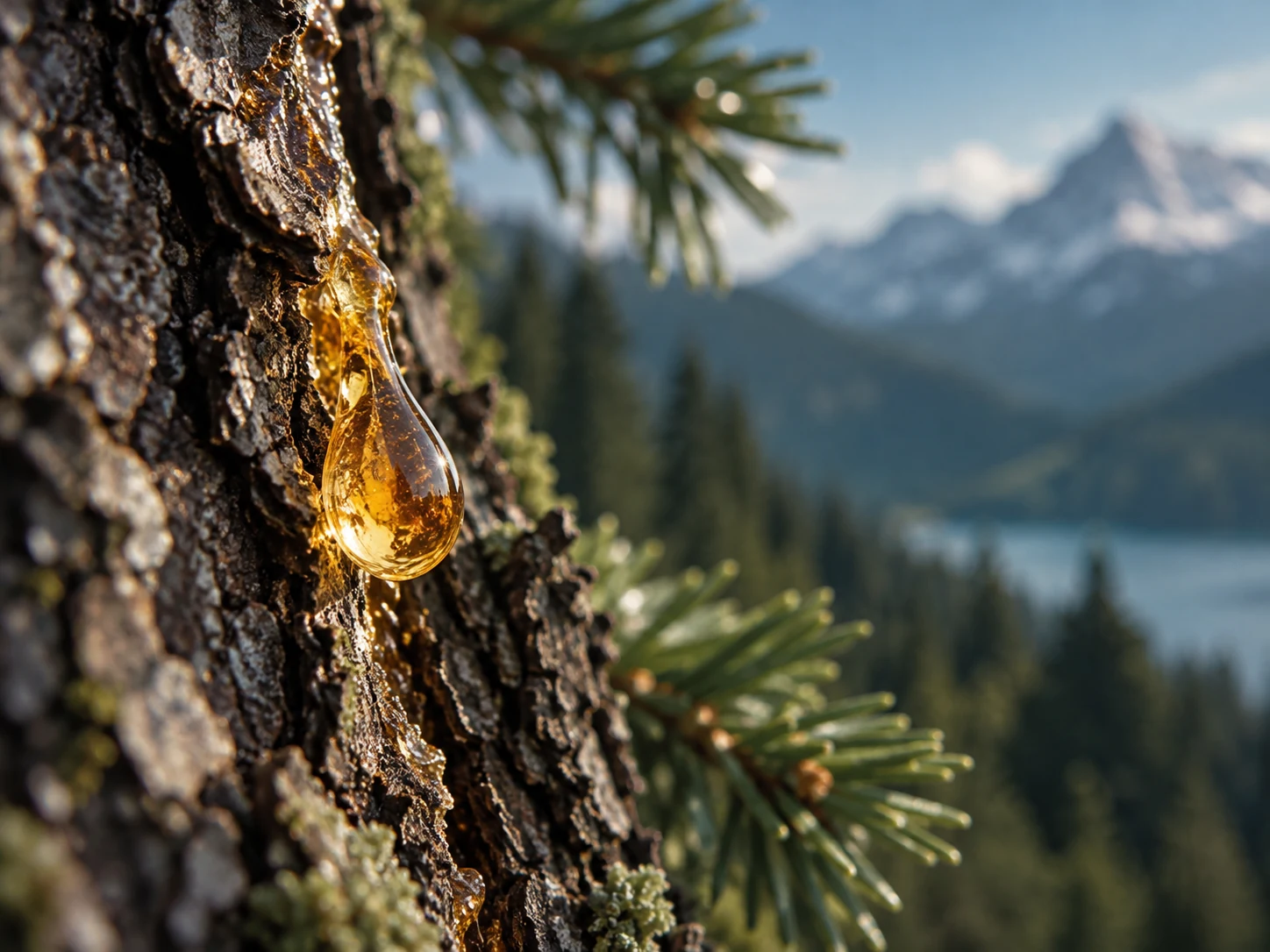
A plant secretion distinct from needles and wood. Its extract and an essential oil distilled from foliage are not interchangeable.
Try it yourself
How to study this lesson
- Prepare a blotter labelled with the fragrance name and the test time.
- Read the three stages without assigning a compulsory duration to each.
- Compare observations after fifteen minutes and one hour while doing another activity.
Try a familiar fragrance on a perfume blotter. Write three words at the start, then after fifteen minutes and one hour. Circle what remains at each reading. Summarise the movement in one sentence: “first…, then…, while…”. Keep the blotter for one final observation later.
Reveal the guidance
- Is the base entirely absent at the start? No, some facets are already perceptible.
- Have I distinguished what fades from what simply becomes easier to perceive?
- Can I describe the evolution without reciting an ingredient list?
Remember
The pyramid is a map of time, not three sealed compartments.